
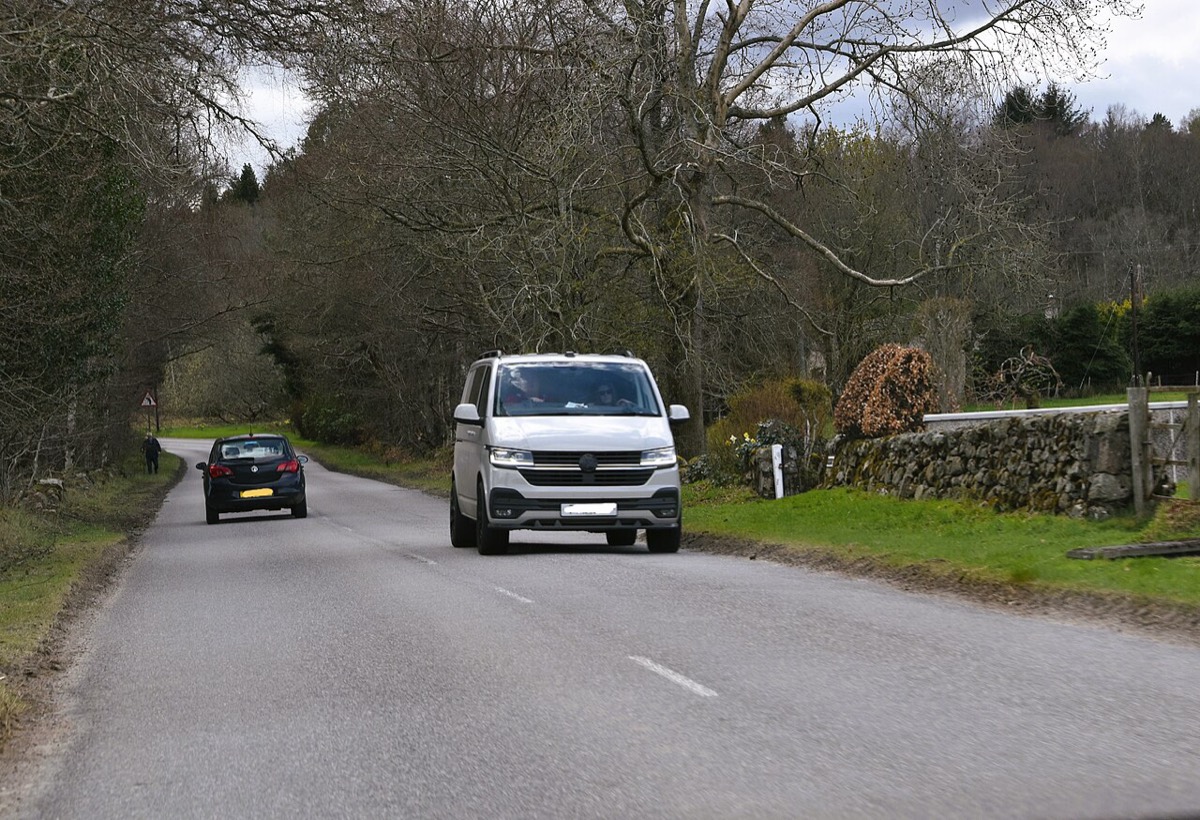
Driving in Türkiye is one of the great ways to see the country. The motorways are smooth and fast, the back roads are absurdly scenic, and you can stop at every roadside stall selling honey or apricots. The rules will feel familiar if you drive in Europe. The habits might take a day to get used to.
The basics
You drive on the right and overtake on the left. Everyone in the car wears a seat belt, kids sit in proper child seats, and your phone stays in its holder unless you're hands-free. Keep your licence, passport and the rental papers in the car at all times. You'll be asked for them at some point, and it's always easier when they're in the glovebox.
Speed limits and the cameras that enforce them
Roughly: 50 km/h in towns, 90 on open roads, 110 on dual carriageways and 120 on motorways (otoyol). Limits do vary, though, so trust the signs over this paragraph.
Speed cameras are everywhere on intercity roads, and some stretches measure your average speed between two points. Fines go to the rental company, which forwards them to you, sometimes weeks after you're home. Not the souvenir anyone wants.
Alcohol: just don't
The legal limit is low, police checks are common (especially at night and around holiday towns), and the penalties are steep. The simple rule is the best one. If you're having a glass of Cappadocian wine with dinner, someone else is driving, or you're taking a taxi.
Tolls are all electronic
Motorways, the big bridges and the Eurasia Tunnel are paid through an HGS tag behind the windscreen. Rental cars come with one. Drive through, the tag beeps, and you settle the total when you return the car. There's no cash booth to look for, so keep rolling.
Filling up
Most fuel stations are full-service, so you pull up, say what you need, and someone fills the tank (a small tip is a nice touch). Benzin is petrol and motorin is diesel. Check which one your car takes before the first stop, because that's a mistake you only make once. On long rural stretches, top up at half a tank rather than gambling on the next village.
Parking
In cities, look for an otopark, a paid car park. In Istanbul the municipal İSPARK car parks are easy and fairly priced. Street parking is often attended: someone appears, hands you a ticket and you pay when you leave. Never block a driveway or a lane, even for a minute. Istanbul's tow trucks are very efficient.
How people actually drive
City driving is assertive. Lanes are more of a suggestion, indicators are optional, and the horn is mostly a friendly "hello, I'm here" rather than an insult. Leave space, stay calm and don't take any of it personally. You'll be honking cheerfully yourself by day three.
Out in the countryside it's the opposite problem: tractors doing 30, sheep with right of way, and unlit roads after dark. Plan long drives for daylight.
Police checks and accidents
Police and gendarmerie checkpoints are routine and usually quick. Slow down, smile, hand over your documents. If you have an accident, don't move the car unless it's in a dangerous spot, call the rental company's assistance number, and get a police report. Without one, the insurance usually won't pay out.
Frequently asked questions
Not if your licence is in the Latin alphabet. You can drive on it for up to six months. Otherwise, carry an IDP with your licence.